

Circular Food Economies: Turning Waste into Opportunity
By: Lindsay Toth
In a linear food economy, waste is inevitable. But in a circular food economy, waste becomes value. Across Canada, food entrepreneurs are proving that byproducts, surplus ingredients, and imperfect produce can be transformed into profitable products. From upcycled flours to sustainable packaging solutions, this shift is redefining what innovation looks like in food manufacturing.
From Waste to Worth
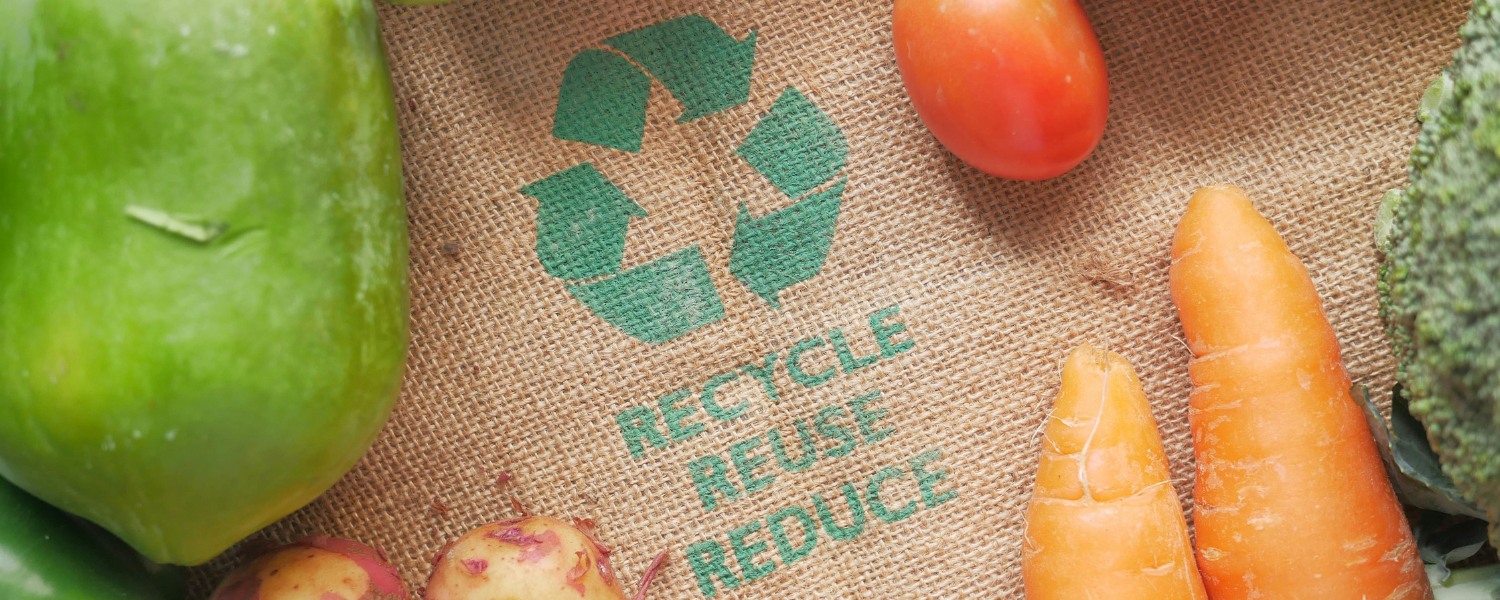
Each year, Canada wastes an estimated 11 million tonnes of edible food — roughly half of what the country produces. That waste represents more than $49 billion in lost value and contributes to nearly 8% of national greenhouse gas emissions. But hidden in that problem is an opportunity.
Circular food economies take a systems-based approach to this challenge. Instead of discarding what is left behind, businesses find ways to reuse, repurpose, or reintegrate materials back into the value chain. The result is a more resilient, efficient, and environmentally responsible food system — one that treats waste not as an expense, but as a resource.
Canadian Innovators Leading the Way
Across the country, food innovators are finding creative ways to close the loop. Upcycled ingredients are one of the fastest-growing categories in sustainable food manufacturing. Products made from rescued produce, brewery grains, or juice pulp are showing that sustainability can be both ethical and profitable.
Companies like Rescue!, ReGrained, and Outcast Foods have built business models around capturing food byproducts and converting them into nutrient-dense flours, powders, and snacks. Others are tackling packaging, developing compostable or reusable materials that reduce waste at the consumer level.
At the regional level, food hubs and processors are joining in. By sharing logistics, cold storage, and distribution infrastructure, they can redirect surplus food toward new products instead of landfills. This kind of collaboration not only prevents waste but also builds stronger connections between local producers and processors.
The Role of Technology
Artificial intelligence, data analytics, and blockchain are all helping make circular food systems more efficient. AI-powered tools like BetterCart Analytics give producers real-time insights into market trends and demand, helping them plan production more accurately and reduce overproduction.
Digital traceability tools allow processors to track ingredients from farm to shelf, ensuring that surplus or imperfect items are identified early and redirected before they spoil. The growing use of shared digital platforms like Syzl is also helping connect small food producers with available kitchen space, making it easier to scale up sustainable processing without building new infrastructure from scratch.
Technology is not replacing people in the food system — it’s enabling smarter decisions that reduce waste and create new value streams.
Reimagining Food as a Circular System
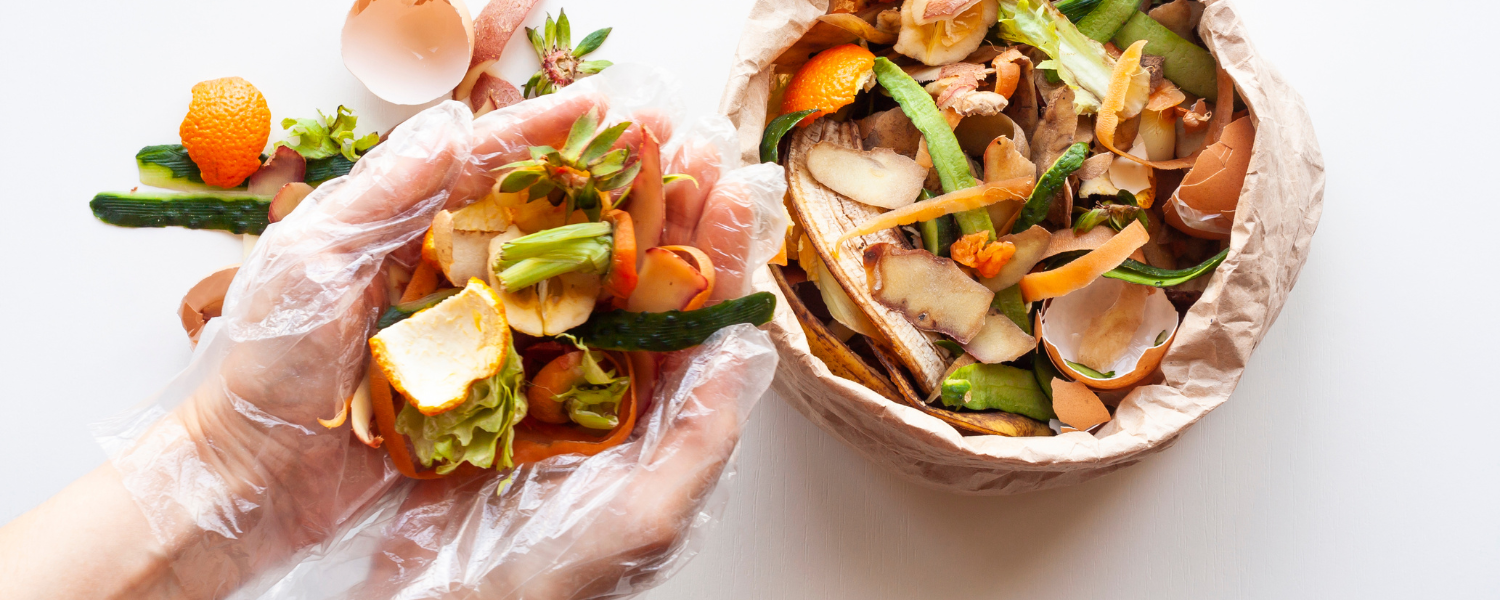
A circular food economy doesn’t happen by accident. It requires collaboration between governments, entrepreneurs, and consumers. Policy frameworks must reward waste reduction and support investments in local processing. Programs like FEAD’s Seed to Scale Accelerator are helping food founders think systemically, not just about products, but about entire production and recovery cycles.
Consumers also play a role. Buying upcycled products, supporting local brands, and embracing “imperfect” produce all send a message that waste has value when treated responsibly.
A New Kind of Innovation
The circular economy is not just about reducing waste; it’s about rethinking success. In a truly sustainable food system, profit, purpose, and planet are interconnected. The future of Canada’s food industry will depend on how effectively we can align those values.
By investing in circular solutions, we can build a system that nourishes people, protects ecosystems, and strengthens local economies, all while turning yesterday’s waste into tomorrow’s opportunity.

