

AI in Food & Ag Part 2: It Continues with Smart Kitchens
By: Lindsay Toth
The next wave of innovation in Canada’s food system isn’t happening only in the fields. It’s unfolding in the kitchens, commissaries, and food labs where creativity meets technology. Artificial intelligence is helping food entrepreneurs, chefs, and processors find new ways to create, collaborate, and grow. AI is quietly becoming part of the daily life of food makers who are learning how to use it to improve recipes, reduce waste, and make their businesses more efficient. For many, these tools are creating opportunities that once felt out of reach.
A New Ingredient in Innovation
Behind every food business is a recipe, but the way those recipes are developed is changing. AI tools can now analyze ingredient combinations, predict flavour pairings, and suggest adjustments for texture, nutrition, and shelf life. They allow entrepreneurs to test ideas virtually before stepping into a kitchen, saving time and resources.
This kind of technology is helping food producers refine products faster and respond to what customers want in real time. Whether it’s a small jam maker experimenting with low-sugar formulas or a beverage company trying out new functional ingredients, AI is giving them insight that once required years of experience or expensive R&D.

Syzl: Connecting Kitchens and Creating Access
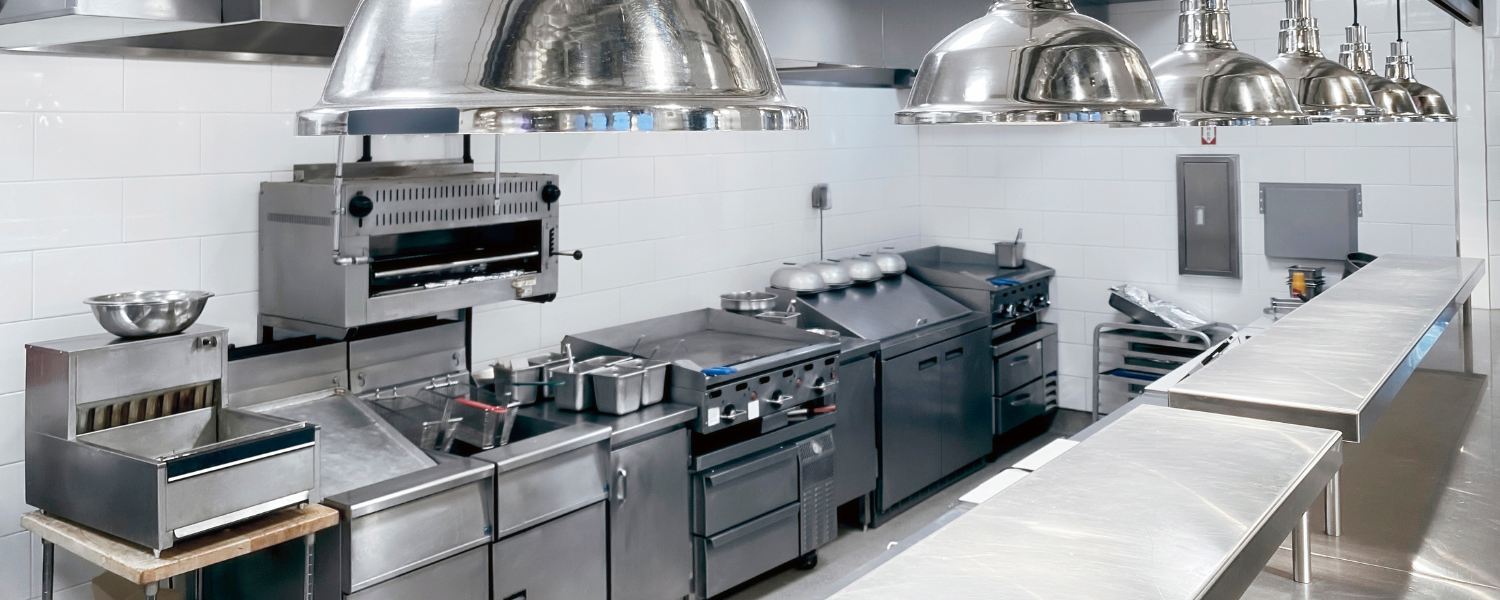
One of the most inspiring examples of how AI is shaping food entrepreneurship in Canada is Syzl, a Toronto-based platform that connects food makers with underused commercial kitchens.
For small producers, finding an affordable, licensed space to cook and scale production can be one of the hardest parts of starting a business. Syzl uses data and AI to match entrepreneurs with kitchens that fit their needs. It considers things like location, equipment, timing, and food type to create a perfect match.
By doing this, Syzl not only helps food entrepreneurs grow without huge overhead costs but also supports kitchen owners who can earn extra income by renting out space. It’s an example of how technology can be used to build community and make access to food production more equitable.
The platform learns from every interaction, improving its recommendations as more people use it. Over time, this kind of intelligent matchmaking could completely change how food entrepreneurs find resources, helping more women, newcomers, and small businesses enter the industry with confidence.
Smarter Operations, Stronger Businesses
AI is also helping food entrepreneurs behind the scenes. Predictive tools can track inventory, monitor ingredient costs, and even anticipate demand spikes based on season, holidays, or social media trends.
Imagine knowing exactly how much to produce ahead of a long weekend or when to stock up before your busiest season. This kind of planning not only saves money but also reduces food waste. It gives founders more control over cash flow, production schedules, and staffing, all things that often make or break a growing business.
Data as a Creative Partner
AI isn’t just about numbers; it’s also a creative tool. It can help identify emerging trends, from flavours and packaging styles to social causes that consumers care about. When used wisely, these insights allow entrepreneurs to tell stories that connect with their audiences in a meaningful way.
Still, the heart of food innovation will always be human. Data can guide, but it can’t taste, smell, or feel the joy that comes from sharing something made with care. The most successful food businesses will be the ones that use AI to amplify creativity, not replace it.

Bridging Gaps and Building Opportunity
Platforms like Syzl are showing how technology can create a more inclusive food economy. By reducing barriers to space, cost, and infrastructure, AI is helping level the playing field for food makers who have ideas and talent but not always access.
This is especially powerful for women, Indigenous entrepreneurs, and newcomers who are leading a new generation of food businesses rooted in culture, community, and resilience. AI can support their vision, not by changing how they cook, but by giving them the tools to scale their ideas and reach new customers.
Looking Ahead
AI is becoming part of the fabric of Canada’s food industry, from the farm to the kitchen. It is helping small producers become more efficient, more creative, and more connected. The challenge now is to make sure these tools are accessible to everyone and that technology continues to serve people, not the other way around.
The next step in this journey takes us into the marketplace itself, where AI is helping food businesses understand consumers, plan strategically, and grow with confidence.

