

AI in Food & Ag Part 3: Creating Smart Markets
By: Lindsay Toth
The future of food depends not only on how we grow or make it but also on how we understand it. Across Canada, artificial intelligence is helping farmers, entrepreneurs, and food brands make better business decisions by turning data into insight. From predicting demand to improving marketing and logistics, AI is changing how food moves through the system and how people connect with it.
For many small and mid-sized businesses, competing in a fast-moving market is tough. Consumer tastes change quickly, supply chains are unpredictable, and costs keep rising. AI doesn’t solve everything, but it helps make challenges easier to manage. By learning from data on production, pricing, and consumer behavior, it gives founders a clearer view of what is happening and where to go next.
Understanding the Modern Consumer
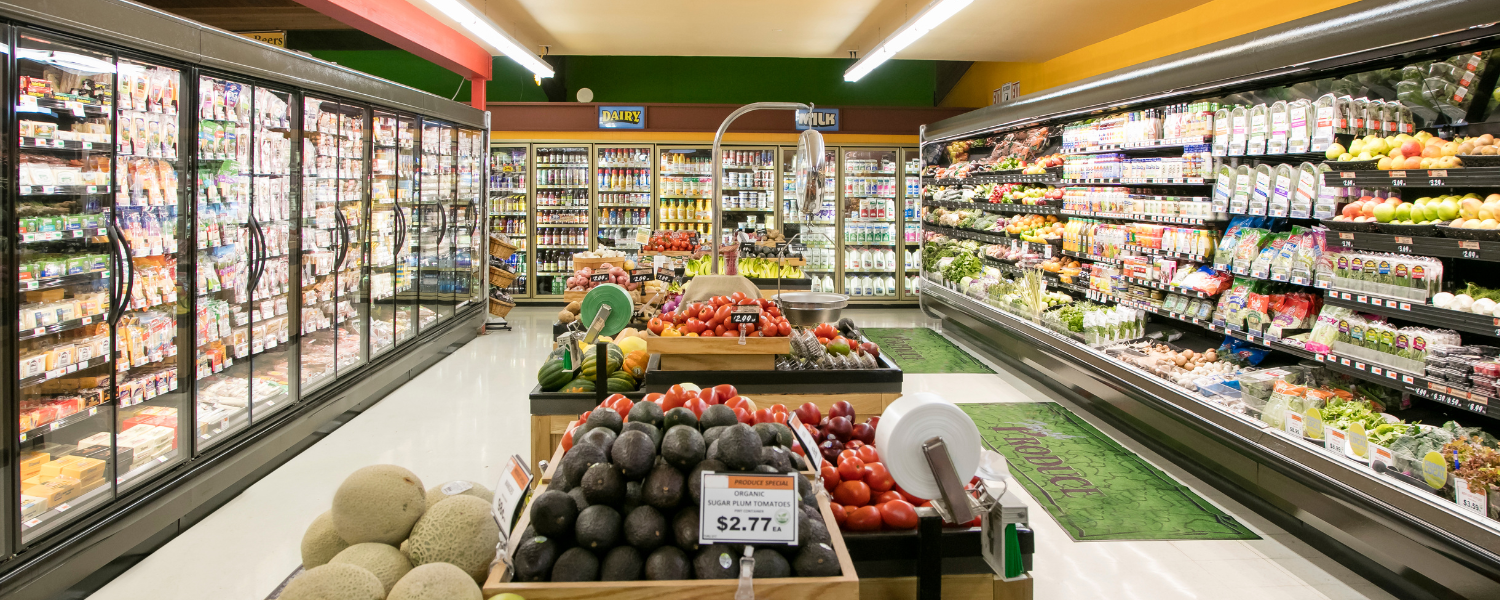
Today’s food shoppers expect more from the brands they buy. They want products that align with their values around health, sustainability, and transparency. AI helps businesses listen more closely to those signals and adjust in real time.
Through social listening and trend analysis, AI tools can identify shifts in demand—like growing interest in plant-based products or sustainable packaging—before competitors notice. These insights help smaller food businesses stay nimble and relevant.
That kind of intelligence is what Melanie Morrison’s BetterCart Analytics is delivering. BetterCart uses data modeling to help food producers track pricing trends, retail performance, and competitor activity across grocery chains. Instead of relying on guesswork, brands can see how their products are performing and adjust pricing or promotions based on real data.
For marketers, this turns intuition into strategy. For founders, it levels the playing field by offering access to the same quality of market intelligence that large CPG companies use.
Personalization with Purpose
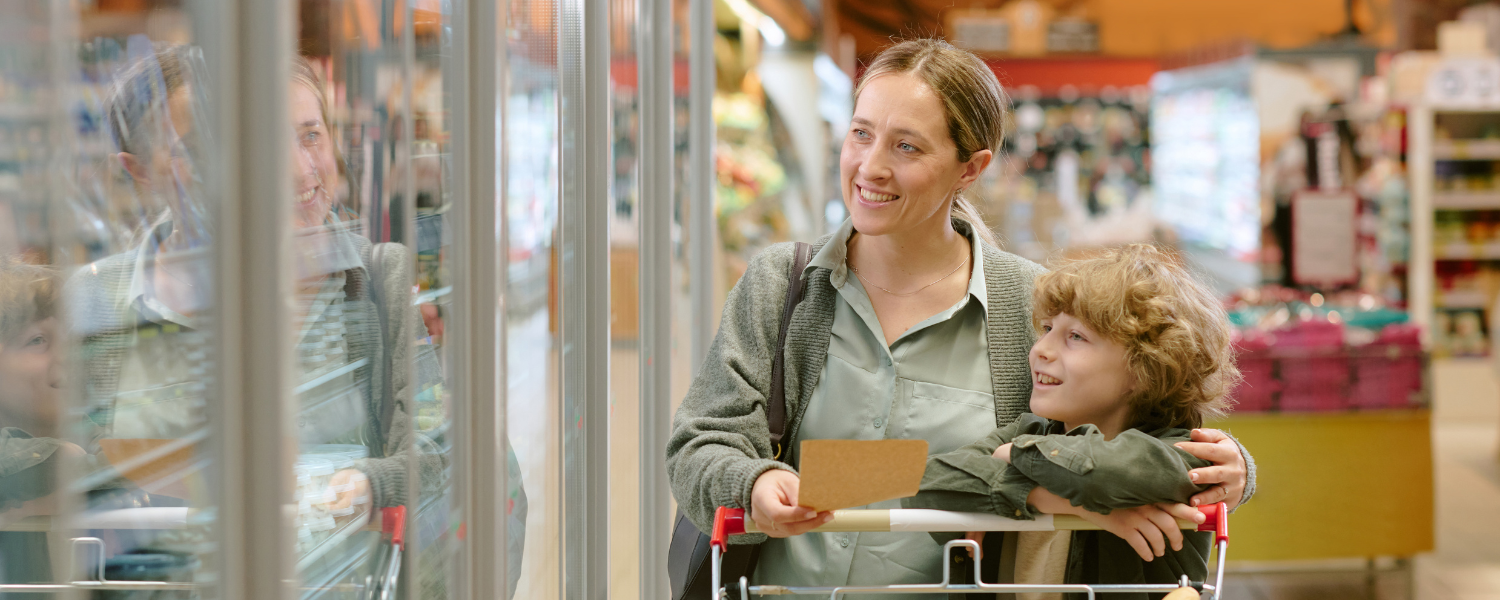
AI is also helping food businesses connect with customers in a more personal way. Instead of one-size-fits-all marketing, companies can now tailor messages, recipes, and offers to different audiences based on interests and behavior.
A beverage brand might send targeted promotions to health-conscious consumers, while a local producer could use AI tools to find retailers who prioritize local sourcing. These insights help build real relationships instead of one-time sales.
The best brands will continue to be those that combine the precision of AI with the authenticity of human storytelling. Data may guide decisions, but trust still comes from people.
Planning for Smarter Growth
AI is becoming just as important in operations as it is in marketing. Predictive analytics can help food businesses plan production, manage inventory, and forecast sales with more accuracy.
A manufacturer can anticipate ingredient needs before peak demand, while distributors can optimize delivery routes to reduce costs and waste. Tools like BetterCart Analytics help producers understand when to scale up, when to hold steady, and how to maintain margins in a volatile market.
AI-based financial tools also make it easier for founders to model scenarios, plan budgets, and forecast growth. What once required a full analytics team can now be done with a few clicks, giving entrepreneurs more control over their business strategy.

Building Access and Trust
For Canada’s agri-food sector to thrive, digital tools must be accessible to everyone. Entrepreneurs in rural, Indigenous, and newcomer communities still face barriers to infrastructure and training. Programs like the Seed to Scale Accelerator and platforms such as Syzl are helping change that by combining technology with hands-on learning and shared resources.
AI should support inclusion and opportunity, not just efficiency. The technology is most powerful when it helps local producers compete, build community, and strengthen the food system as a whole.
Looking Ahead
Canada’s agri-food sector is at a turning point. AI offers the chance to build an industry that is more efficient, more transparent, and more connected to consumers. The key is to use it wisely—balancing technology with human insight and intention.
The goal isn’t only to create smarter markets. It’s to create a smarter food future that values creativity, sustainability, and community as much as innovation.

