

EPR Is Changing Food Packaging. What Food Entrepreneurs Need to Know
By: Lindsay Toth
Packaging used to be a branding decision.
Now it is becoming a cost, compliance, and strategy decision.
Across Canada, Extended Producer Responsibility (EPR) policies are shifting the cost of packaging waste from municipalities to the companies that create it. That means food and beverage brands are now responsible for the materials they put into the market, including how those materials are collected, recycled, or disposed of.
For large companies, this is already part of doing business. For small and scaling food brands, this shift is just starting to land.
And many are not prepared.
What Is EPR, in Plain Terms
Extended Producer Responsibility means that producers are financially and operationally responsible for the end-of-life management of their packaging.
Instead of cities and taxpayers covering the cost of recycling systems, that responsibility is being transferred to the companies that generate packaging waste.
In practice, this means:
Companies pay fees based on the type and volume of packaging they use
Materials that are harder to recycle cost more
Packaging design decisions now have direct financial implications
This is already in place in provinces like British Columbia and Ontario, with other provinces moving in the same direction.
This is not a future policy. It is already happening.
Packaging Is No Longer Just a Branding Decision
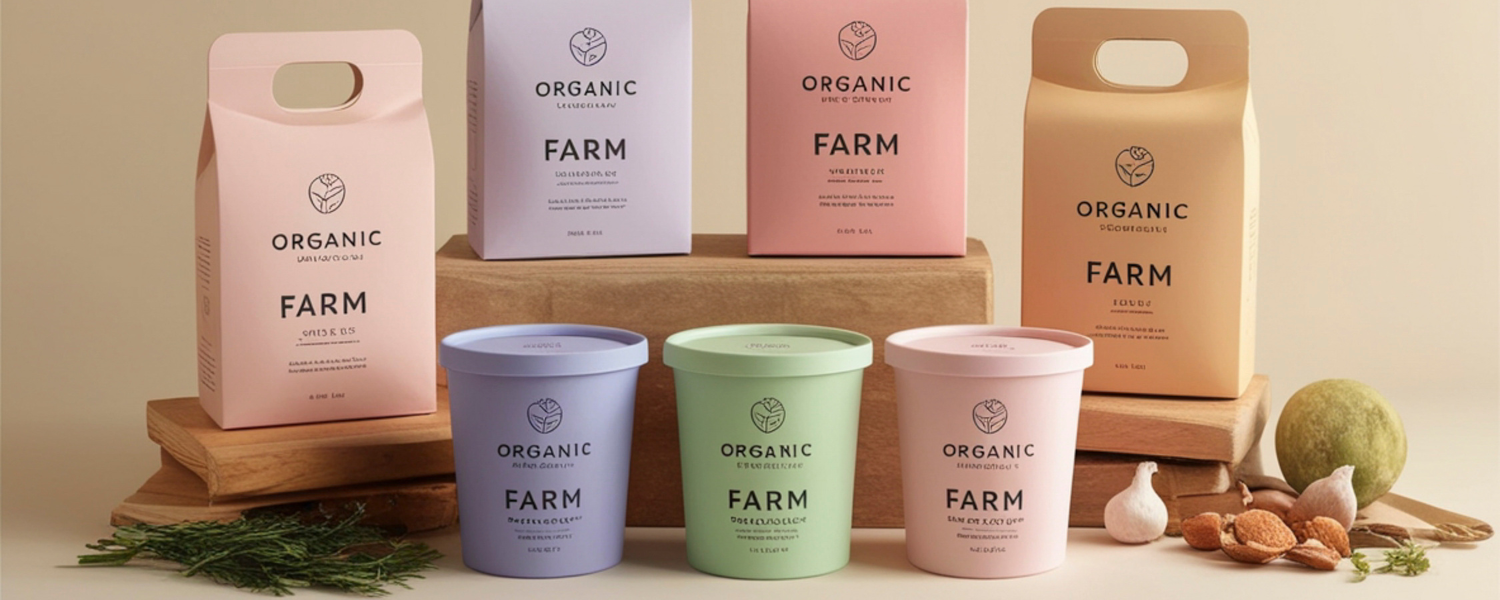
For years, packaging decisions were driven by shelf appeal, cost, and functionality.
Now there is a fourth factor: long-term liability.
The cheapest packaging option today may carry the highest cost under EPR. Materials that are difficult to recycle, multi-layer plastics, or unnecessary packaging components can increase fees and create compliance challenges.
At the same time, retailers and consumers are paying closer attention to packaging choices.
This creates a shift in how packaging needs to be approached:
Not just how it looks
Not just how it protects the product
But how it performs at end-of-life
This is a structural change, not a trend.
Why This Matters Before You Scale
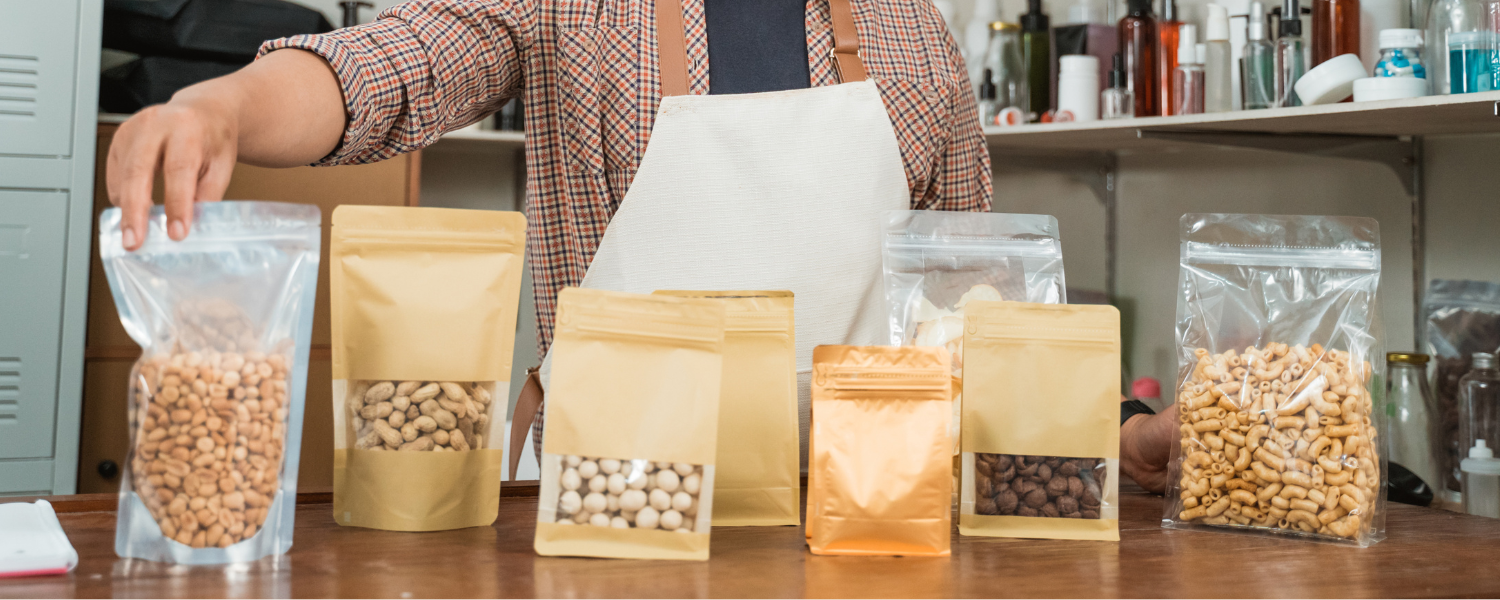
Many founders think about packaging late. Often right before retail or after early traction.
That approach is becoming risky.
Packaging decisions made early in a business often carry forward into scale. Once a product is in retail, changing packaging becomes more complex and more expensive.
EPR adds another layer. If your packaging is not optimized, costs increase as you grow.
What works at small volume may not work at scale.
This is where many brands will get caught.
What Retailers Are Already Paying Attention To
Retail buyers are starting to evaluate products through a different lens.
Packaging is no longer just part of brand presentation. It is part of operational efficiency, sustainability commitments, and long-term risk.
Products that align with recyclable, simplified, or lower-impact packaging are easier to support.
Products that do not may face more friction.
This does not mean every product needs to be perfect. But it does mean packaging is becoming part of retail readiness.
The Bigger Shift: From Linear to Circular Thinking
EPR is part of a broader shift from a linear food system to a more circular one.
The traditional model is simple. Produce, package, sell, discard.
The emerging model asks a different question. What happens after the product is consumed?
For food businesses, this means thinking beyond the point of sale.
It means considering:
Material choice
Waste recovery
System impact
This shift will not happen overnight, but the direction is clear.

