

What the New Dietary Guidelines Mean for Food Brands
By: Lindsay Toth
Nutrition guidelines only matter if they show up in real purchasing decisions. The 2025–2030 Dietary Guidelines point toward a future centered on whole, nutrient-dense foods, but it is food entrepreneurs who will determine how that future appears on shelves, menus, and in grocery carts.
As governments, institutions, and retailers respond to this shift, demand will increasingly favour products that are simple, transparent, and built around quality ingredients. This creates both pressure and opportunity for food businesses at every stage.
A Changing Definition of Value
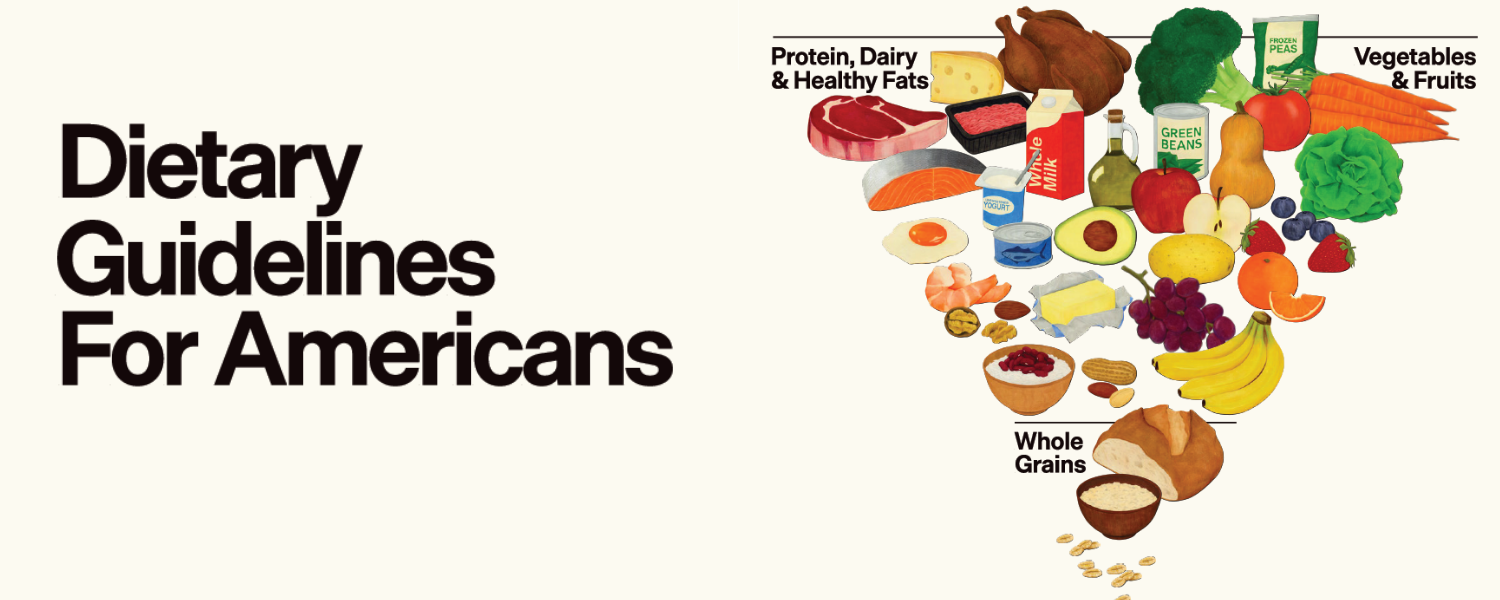
For years, much of the food industry optimized for shelf life, speed, and cost efficiency. The updated Guidelines signal a different definition of value, one rooted in nutrient density, ingredient integrity, and trust.
Products built around real protein sources, dairy, whole grains, fruits, vegetables, and healthy fats are positioned to gain ground. Foods that rely heavily on refined carbohydrates, added sugars, and complex formulations will face growing scrutiny from buyers and consumers.
For entrepreneurs, this shift rewards clarity. Straightforward ingredient lists, transparent sourcing, and credible nutrition claims will matter more than reformulation alone.
Product Development and Market Readiness
Product development decisions made today must reflect where expectations are heading. That means designing foods that fit into meals and everyday routines, not just convenience occasions.
Processing choices will matter. Innovation still plays a role, but the focus is shifting toward methods that preserve quality and nutrition, such as fermentation, freezing, drying, and thoughtful packaging.
At the same time, readiness is critical. Scaling into retail, foodservice, or institutional channels requires strong food safety systems, consistent supply, accurate labeling, and the ability to communicate value quickly.
Building for the Next Food System
This shift reinforces a broader reality. The next generation of food businesses will be built for resilience, not just rapid growth.
Entrepreneurs who invest in sound operations, regional processing, and adaptable supply chains will be better positioned as standards continue to evolve. Those who understand both the science and the story behind their products will stand out.
Guidelines do not dictate culture or creativity, but they do shape market direction.
For food entrepreneurs, the opportunity is clear. Build products that nourish people, align with emerging expectations, and earn trust over time. That is how nutrition policy moves from paper to grocery carts.

