

The Ripple Effects of U.S. Nutrition Policy on Canada’s Food System
By: Lindsay Toth
Canada does not make food policy in isolation. Our food system is closely tied to the United States through trade, shared supply chains, and consumer influence. When the U.S. changes how it defines a healthy diet, the effects extend well beyond its borders.
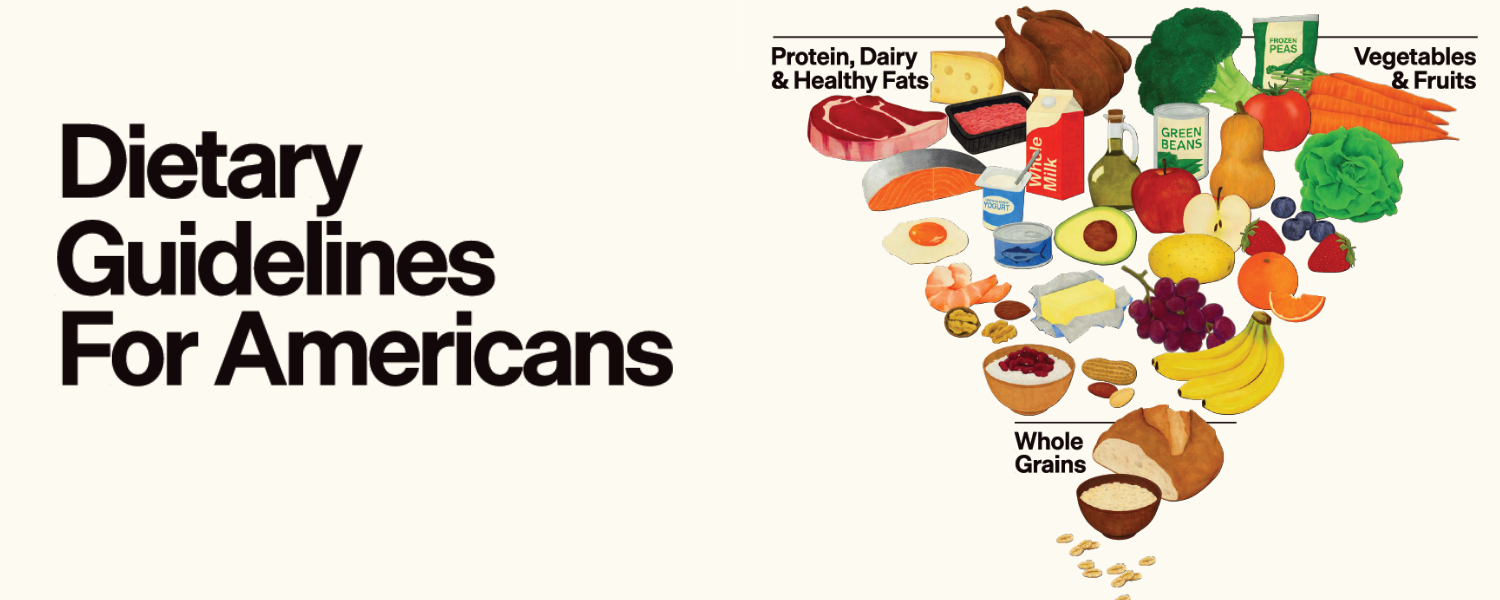
The 2025–2030 Dietary Guidelines mark a clear shift toward whole, nutrient-dense foods and away from ultra-processed products. For Canada, this shift raises important questions about what we grow, how we process food, and where future demand will land.
Cross-Border Influence on Food Demand
The United States is Canada’s largest agri-food trading partner. Changes in U.S. dietary guidance influence retail standards, procurement requirements, and product formulation decisions that Canadian producers and manufacturers must respond to.
As protein, dairy, fruits, vegetables, and minimally processed foods move to the centre of the American diet, demand for these categories is expected to increase. At the same time, pressure will grow on highly processed foods built around refined carbohydrates, added sugars, and artificial ingredients.
Canadian businesses supplying U.S. markets will feel this shift early. Nutrition claims, ingredient sourcing, and product positioning will increasingly need to align with a real-food narrative rather than a reformulated one.
Alignment and Tension With Canada’s Food Guide
Canada’s Food Guide already emphasizes whole foods, fruits, vegetables, and home-prepared meals. In many ways, the U.S. Guidelines are now moving closer to principles Canada adopted several years ago.
There are also key differences. The renewed focus on protein intake, full-fat dairy, and reduced reliance on refined grains signals a shift in how nutrition evidence is being interpreted. For Canadian producers, this creates both clarity and complexity as labeling, education, and messaging continue to evolve.
What is consistent across both countries is the recognition that ultra-processed foods represent a structural problem, not a failure of individual choice.
Opportunities for Canadian Producers
This reset creates real opportunities for Canadian agriculture and food manufacturing. Canada is well positioned to supply high-quality protein, dairy, pulses, fruits, and vegetables produced under strong safety and sustainability standards.
Producers who invest in nutrient-dense ingredients, transparent sourcing, and minimal processing will be better positioned to meet shifting expectations. Regional processing capacity, shorter supply chains, and value-added production will become increasingly important as demand changes.
For food entrepreneurs, this moment offers a chance to build brands around quality, function, and trust rather than convenience alone.
A Moment for Leadership
The U.S. Dietary Guidelines mark a turning point in how governments talk about food, health, and prevention. For Canada, this is an opportunity to lead rather than react.
By investing in real food production, regional processing, and food entrepreneurship, Canada can strengthen its food system while aligning with global shifts toward nutrient density and resilience.
The policy direction is clear. The question now is how Canada chooses to respond.
In Part 3, we explore what these changes mean for food entrepreneurs and innovators, and how to build businesses aligned with a real-food future.

