

Why the U.S. Dietary Guidelines Signal a Turning Point for Food Systems
By: Lindsay Toth
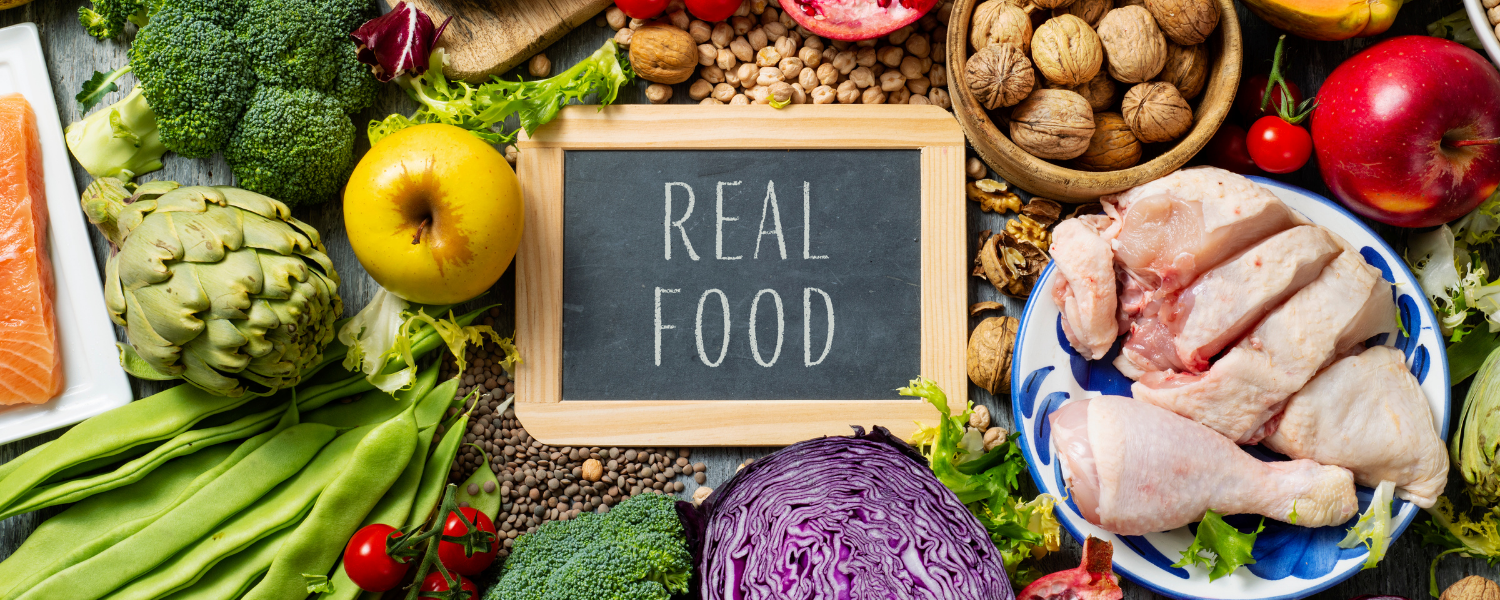
The 2025–2030 Dietary Guidelines for Americans mark one of the most significant resets of federal nutrition policy in decades. The message is clear and surprisingly simple: eat real food.
After years of conflicting advice and incremental changes, the United States has fundamentally reframed how it defines a healthy diet. Whole, nutrient-dense foods are back at the center. Highly processed foods are no longer treated as acceptable staples but as contributors to chronic disease.
This is more than a nutrition update. It is a shift in how food, health, and prevention are understood at a systems level.
A Return to Real Food
The updated Guidelines prioritize diets built around protein, dairy, vegetables, fruits, healthy fats, and whole grains. They call for a dramatic reduction in foods high in refined carbohydrates, added sugars, excess sodium, unhealthy fats, and chemical additives.
This approach reflects growing recognition that the Standard American Diet has played a central role in rising rates of obesity, diabetes, and other chronic illnesses. Rather than relying on reformulation or pharmaceutical intervention, the Guidelines place prevention back where it belongs: on everyday food choices shaped by policy, production, and access.
The Food Pyramid Has Changed
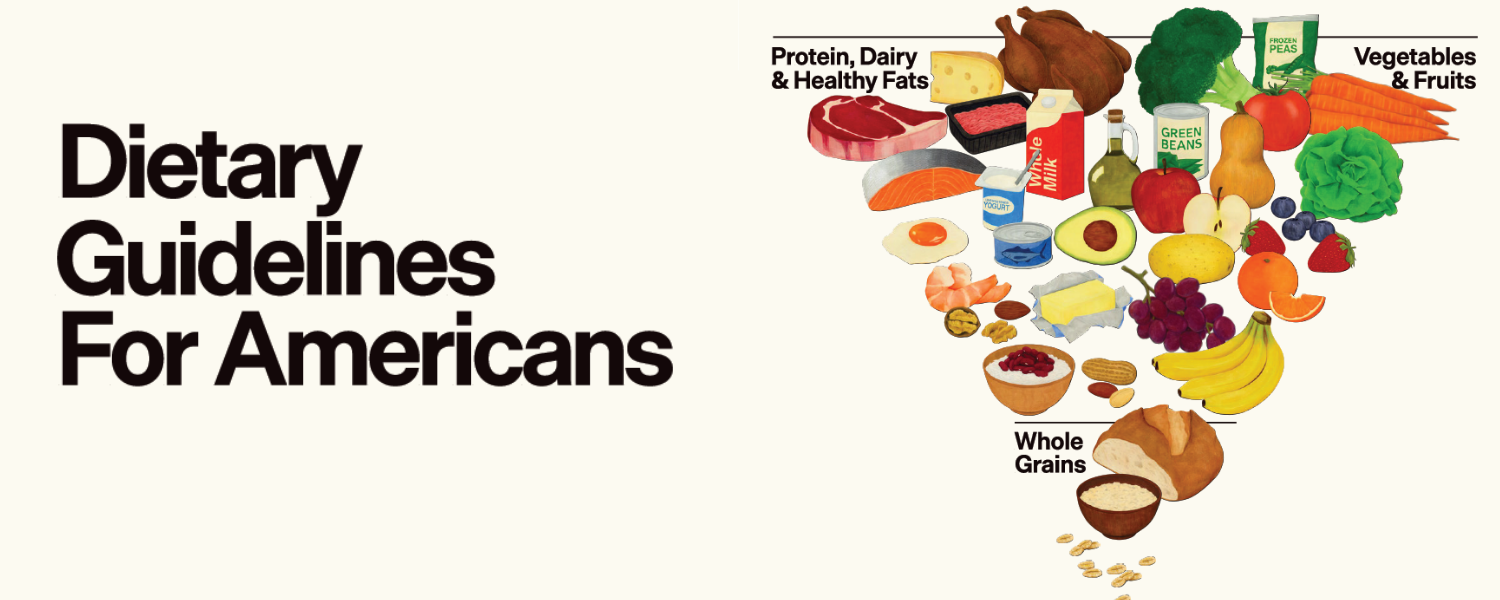
One of the most striking shifts is how the Guidelines reframe food priorities. Protein, dairy, vegetables, fruits, healthy fats, and whole grains now form the foundation of a healthy diet. Refined grains and ultra-processed foods no longer dominate the plate.
This is not a rejection of carbohydrates or convenience, but a recalibration toward foods that support satiety, metabolic health, and long-term resilience.
The Guidelines also emphasize hydration, gut health, and cooking methods that preserve nutritional value, reinforcing the idea that how food is prepared matters as much as what is eaten.
From Individual Choice to System Responsibility
Perhaps most importantly, the updated Guidelines move the conversation beyond personal responsibility. They acknowledge that decades of policy decisions, agricultural incentives, and industry practices have shaped food environments that make unhealthy choices easy and affordable.
By naming ultra-processed foods as a structural problem, the Guidelines shift accountability back toward systems, institutions, and policy frameworks.
Nutrition guidance does not exist in isolation. It influences procurement standards, school meals, health care recommendations, marketing practices, and product development across the food industry.

Why This Matters Beyond the U.S.
When a country as influential as the United States redefines what it considers healthy, the ripple effects are global. These Guidelines will shape trade, product formulation, and consumer expectations far beyond American borders.
This reset is not just about what Americans eat. It is about how food systems are expected to function in the years ahead.
In Part 2 of this series, we explore what these changes mean for Canada’s food system and why Canadian producers, processors, and entrepreneurs should be paying close attention.

